

Practical information about Ha Giang
Geography
Ha Giang is a mountainous province spanning 7,929.5 km2, divided into 10 districts, and situated along the Chinese border.
People & Minorities
Ha Giang is home to over 850,000 people, predominantly comprising various ethnic groups. With one of the highest densities of ethnic minorities in Vietnam, the province’s population is mainly composed of Mong (34%), Tay (23%), and Dao (15%) communities.
Recommended time to visit
For those intending to embark on the Ha Giang Loop, a minimum of 3 days is recommended. However, for a more enriching experience that includes trekking, exploring additional spots, and venturing off the beaten path, it’s best to allocate 4 to 5 days.
Money & ATM’s
ATMs are available in the main cities of Ha Giang, Dong Van, and Meo Vac. However, it is important to note that many local homestays and restaurants do not accept card payments, so it is advisable to carry sufficient cash for your expenses during your stay.
Best time to visit Ha Giang
Ha Giang is beautiful all year-round, making it a destination worth exploring in every season. However, every season you can expect something else:
Spring (March, April, May)
- Beautiful weather with clear skies; one of the best times to visit Ha Giang.
- Moderate temperatures, making it pleasant for outdoor activities and sightseeing.
- Blossom season in certain areas, adding colors and vibrancy to the landscapes.
- Special event: Khau Vai Love Market (usually held in April) – a unique gathering for love and friendship.
Summer (June, July, August)
- Warm and humid weather with a higher chance of rain, especially in July and August.
- The mountains are lush green, creating a picturesque backdrop for your journey.
- Rice terraces in Hoang Su Phi area are at their most stunning during the rice harvest season.
Autumn (September to November)
- Another ideal time to visit Ha Giang due to the pleasant weather and clear skies.
- Temperatures begin to cool down, making it comfortable for outdoor activities.
- The landscapes remain green, and it’s a great time to capture some incredible photographs.
Winter (December to February)
- Cold weather with occasional fog, especially in December and January.
- Limited rainfall, making it suitable for those who don’t mind the cold.
- Fewer tourists, offering a more serene experience and a chance to enjoy the tranquility of the region.
How to get to Ha Giang
To reach Ha Giang, you must rely on road transportation as there is no airport or train station in the province. The most convenient connections are from Hanoi, with some limited options from Sapa, while other cities require travel through Hanoi.
The journey from Hanoi to Ha Giang typically takes around 6 to 7 hours. Here are the various transportation options from Hanoi to Ha Giang:
1. Night bus
The most budget-friendly option that allows you to save daytime for exploring Ha Giang, but it may be crowded and some bus companies may not have a strong safety reputation.
2. VIP night bus
Slightly more expensive than the regular night bus, but offers more comfortable and spacious seats.
3. Limousine bus
If you prefer daytime travel for safety reasons, the limousine bus is a great choice with affordable fares and comfortable seating
4. Private car
For maximum flexibility in timing and pick-up/drop-off locations, you have the option to rent a car with a driver.
Getting around in Ha Giang
1. Driving motorbike
This adventurous option provides a great sense of freedom, but the challenging mountainous terrain requires prior motorbike experience. Ensure you have a valid motorbike license with an International Driving Permit (IDP) to avoid legal issues and insurance complications in case of accidents.
2. On the back of a motorbike
The recommended choice for a balance of adventure and safety. You still get to experience the thrill of a motorbike journey, while the driver serves as a knowledgeable guide, familiar with the best stops and interactions with locals.
3. Car with driver
Opting for a car provides the most comfortable experience, especially during the cold winter or rainy summer months. While it may be less adventurous, you can still follow the same loop and enjoy the scenic beauty of Ha Giang without worrying about driving challenges.
Best things to do in Ha Giang
1. Drive the Ha Giang loop on the back of a motorbike
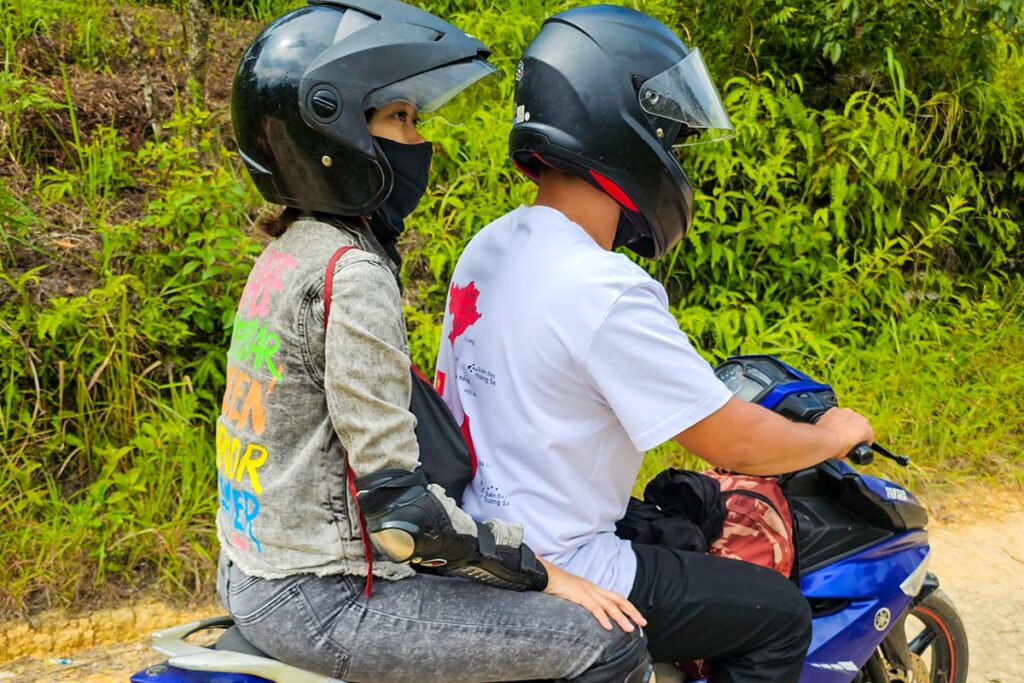
Undoubtedly, the best way to witness the highlights of Ha Giang is by embarking on the Ha Giang Loop. While you have the option to drive independently, traveling with a local guide is highly recommended for several reasons.
Firstly, it ensures your safety, as the guide is familiar with the terrain and local conditions. Secondly, the guide’s expertise allows you to discover hidden gems and lesser-known spots that you might miss on your own.
2. Visit local minority markets
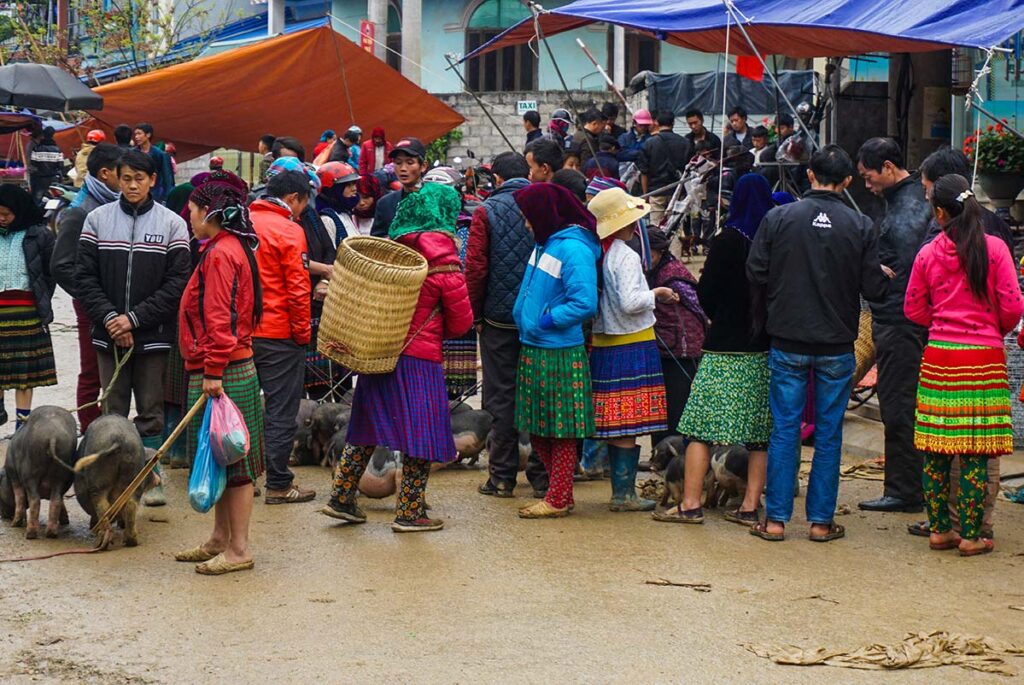
Ha Giang is more than stunning mountain landscapes; it has a rich ethnic minority culture that can be best explored by visiting the vibrant markets like Meo Vac and Dong Van. Witness the kaleidoscope of colors from traditional dresses and the lively trade of local produce and even livestock such as buffalos, cows and pigs.
3. Stay in an ethnic homestay
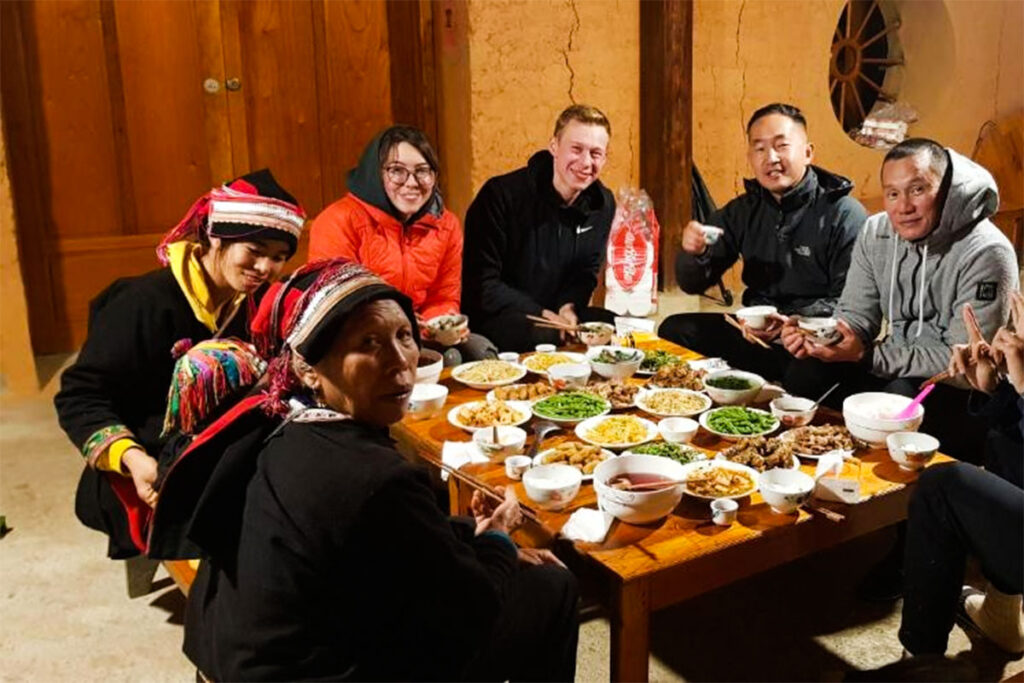
Staying in a homestay hosted by ethnic minorities offers a truly unique way to delve into the ethnic culture. While the accommodations may not boast luxury or extravagant comforts, the experience of sharing a family dinner and residing within their homes is unparalleled. Immerse yourself in their daily lives, traditions, and customs, gaining invaluable insights into their way of life. The warmth and hospitality of the host families create lasting memories.
4. Trekking in Hoang Su Phi
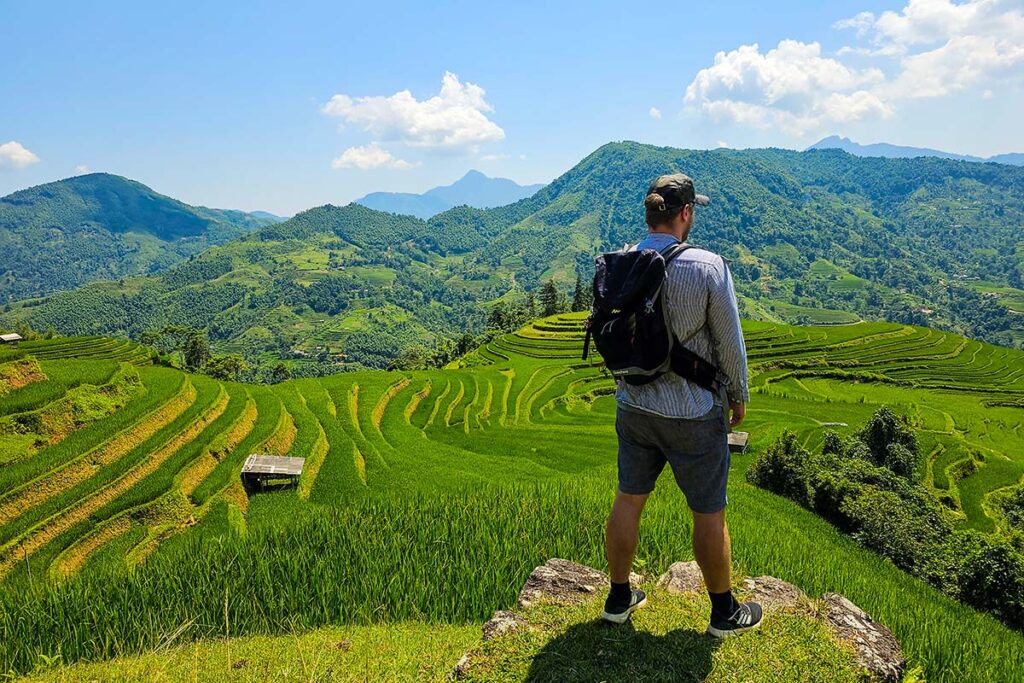
Hoang Su Phi is home to some of Vietnam’s most beautiful terraced rice fields. Offering a truly authentic experience, this region lies far away from the infamous Ha Giang loop, providing a more off-the-beaten-track adventure. Nestled atop some of Vietnam’s highest mountains, these terraced rice fields are meticulously cultivated by ethnic groups.
5. Explore local villages
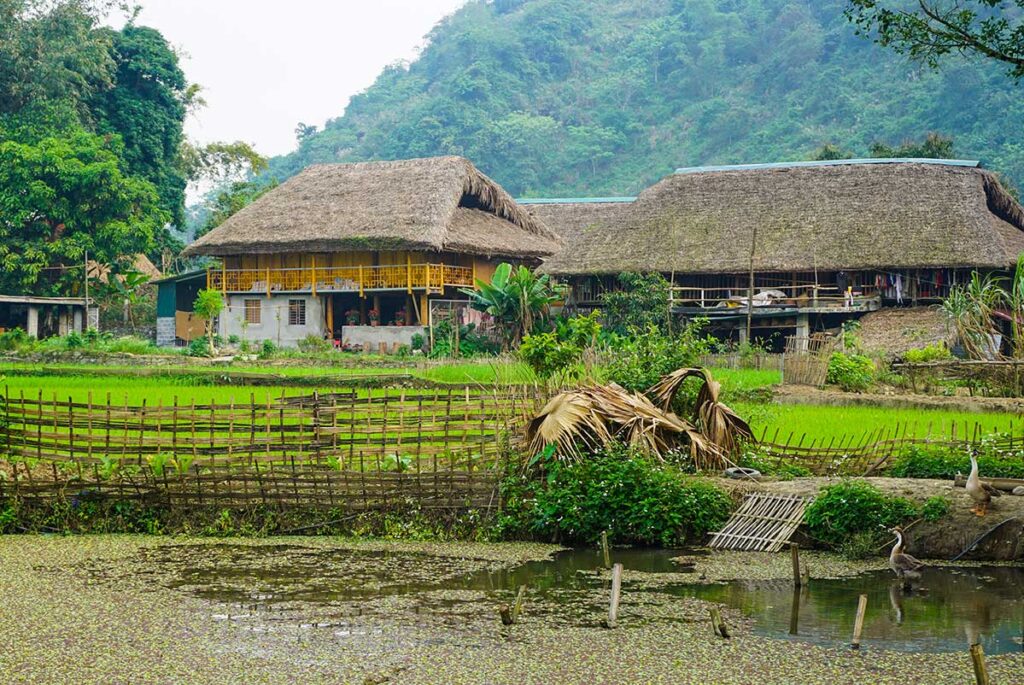
Exploring local villages offers a fantastic opportunity to immerse yourself in the lives of ethnic minorities and experience their unique ways of living. Each village showcases distinct architectural styles, with some ethnic groups residing in stilt houses, while others opt for clay or stone structures. For an enriching cultural experience, consider visiting charming villages like Lung Tam Village, the historic Pho Bang old town, Ma Le village, and Lo Lo Chai Village.
6. Walk over the Ma Pi Leng Pass & Sky Walk
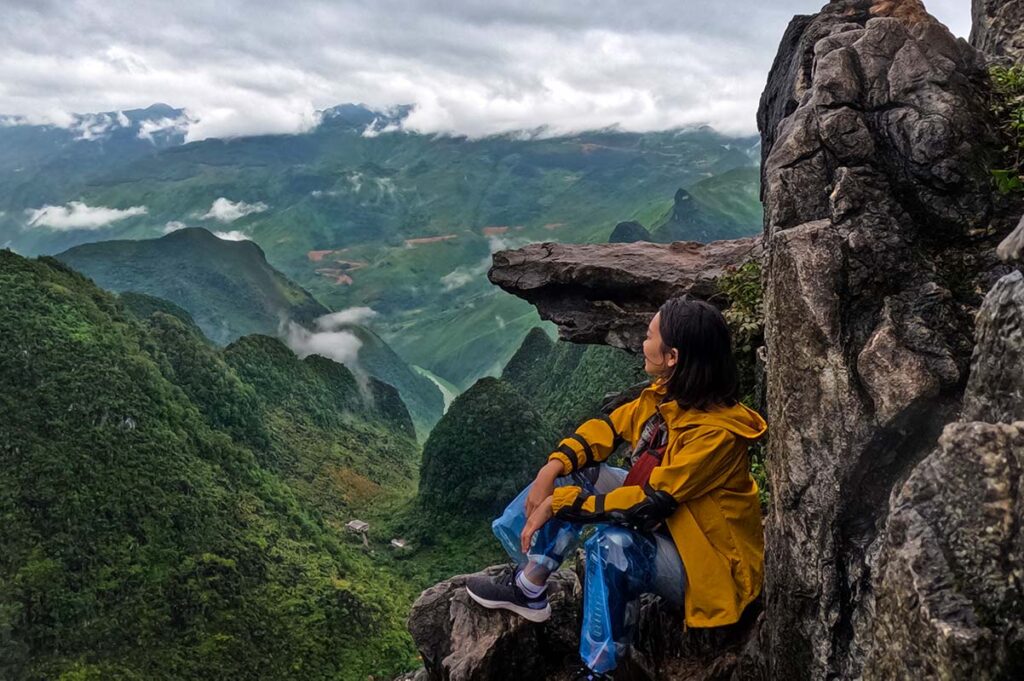
The Ma Pi Leng Pass stands as the main highlight for numerous travelers exploring the Ha Giang Loop. Take a moment to pause your journey, step off your motorbike or out of your car, and savor the unparalleled grandeur of the Ma Pi Leng Pass, known as Vietnam’s king of mountain passes. You can make a breathtaking walk over the sky walk, offering one of the most epic vistas in the entire country.
7. Hiking in Dong Van Karst Plateau
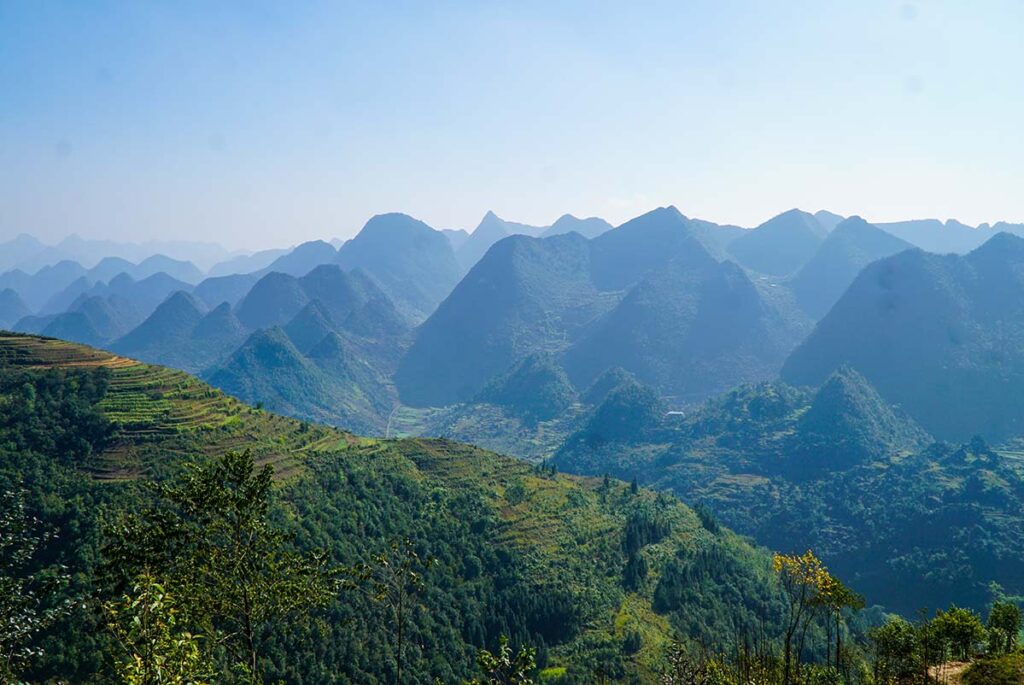
It’s a missed opportunity for many travelers on the loop to overlook the incredible hiking opportunities in Ha Giang. Step away from your motorbike or car and embark on a memorable hiking adventure, as Ha Giang boasts some of the finest hiking spots in the country. Exploring the Dong Van Karst Plateau through trekking is an amazing experience, with its captivating mountains and charming local villages.
8. Boat trip over Nho Que River
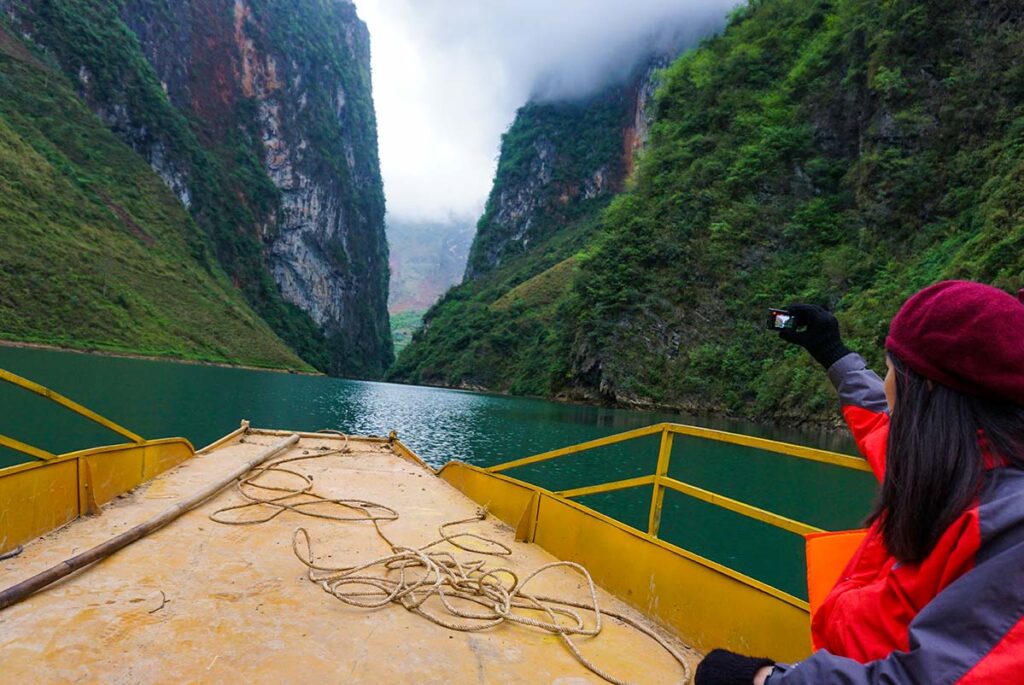
As you descend to the base of the Ma Pi Leng Pass, you’ll be greeted by the Nho Que River, offering an entirely new perspective of the majestic Ma Pi Leng. Embark on a boat trip through the canyon, where steep mountains loom on both sides, creating a breathtaking backdrop for your 1-hour journey.
9. Swim at the Du Gia Waterfall
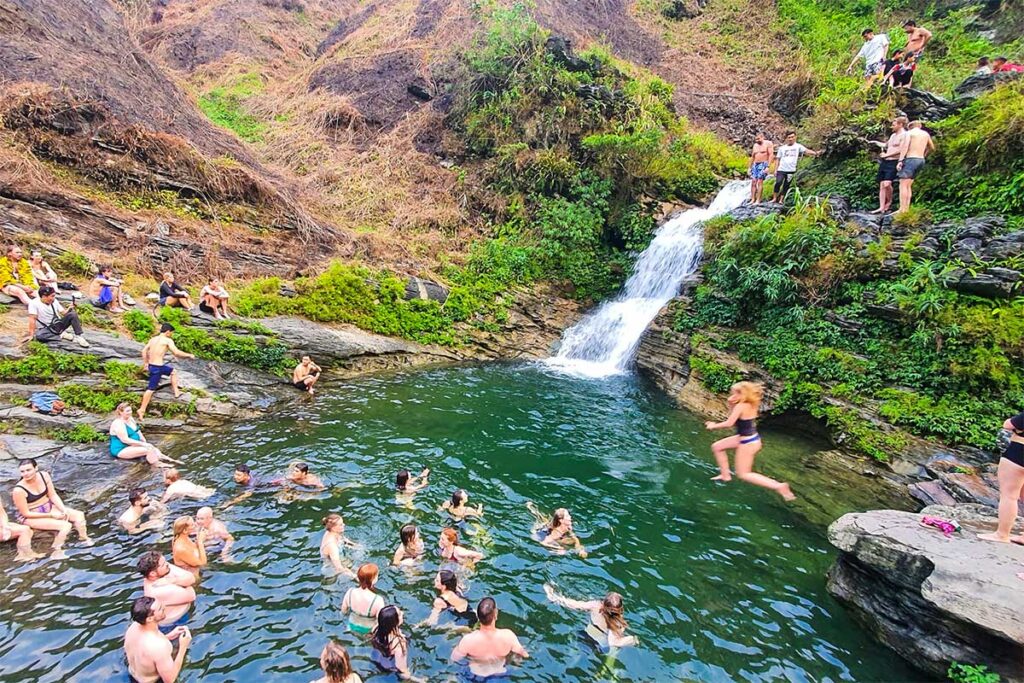
After a few days of traversing the Ha Giang Loop, make a refreshing break at the Du Gia waterfall. Then, relax by staying in a charming stilt homestay owned by the hospitable Tay minorities, with views of the surrounding picturesque rice fields. Du Gia stands out as the perfect oasis to rest and unwind, allowing you to savor the tranquility and natural beauty that this region has to offer during your memorable journey along the loop.
10. Walk around Dong Van Old Quarter
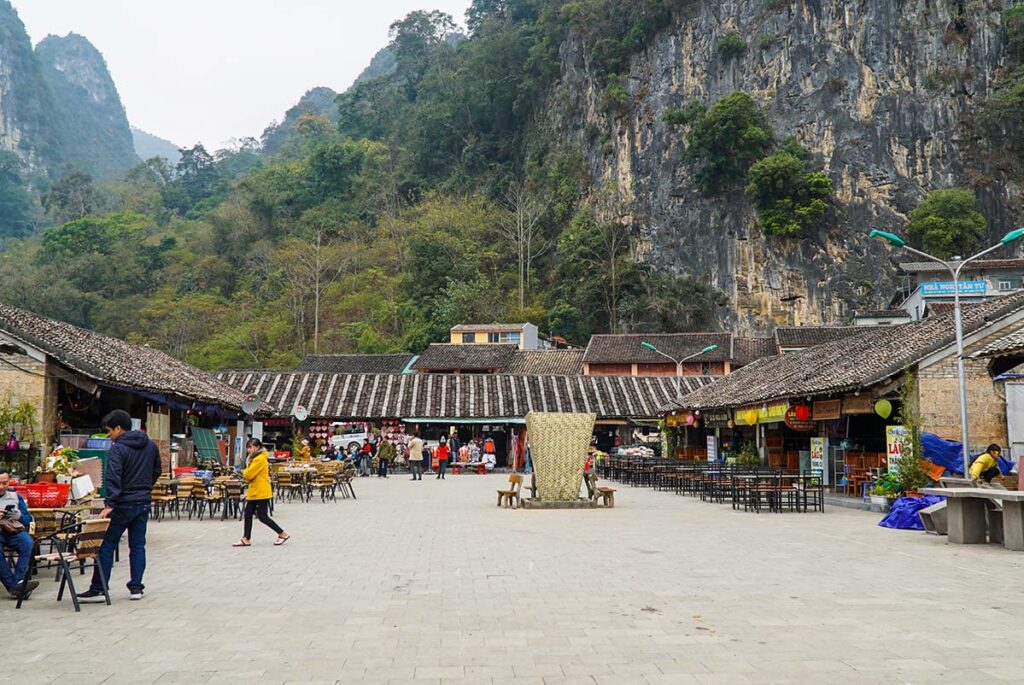
The city center of Dong Van town pleasantly surprises travelers with its cozy ambiance. The old quarter boasts a collection of charming old colonial buildings, now transformed into guesthouses, coffee shops, shops, and restaurants.
11. Kayaking at canyons & rivers
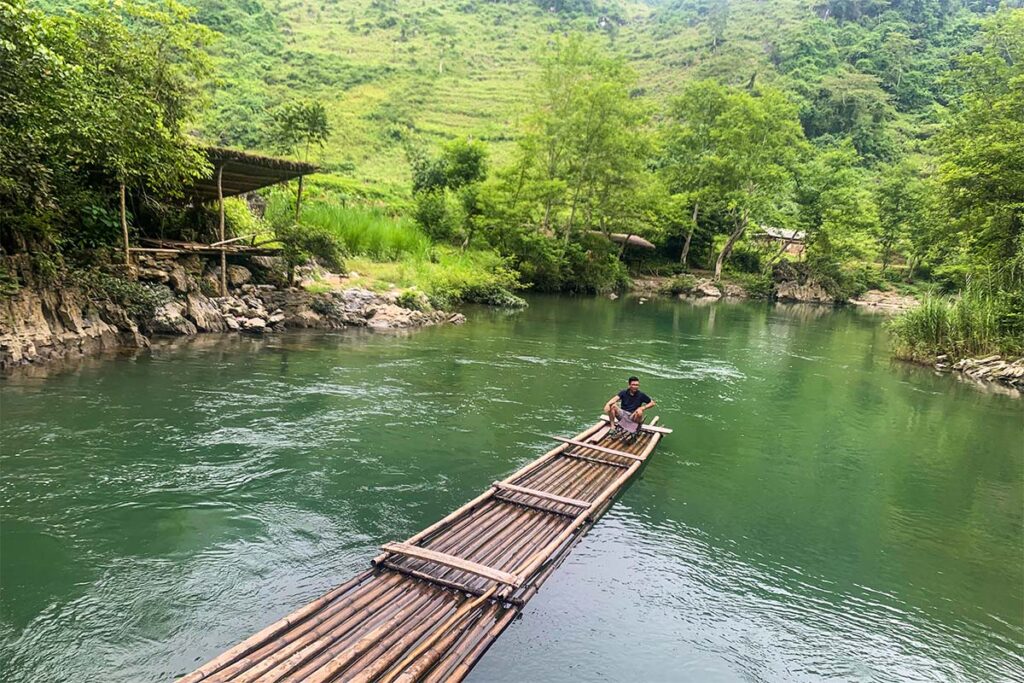
Ha Giang offers several opportunities for kayaking enthusiasts to explore its waterways. The most renowned spot is the Nho Que River, situated near the Ma Pi Leng Pass. For a more off-the-beaten-track adventure, venture to the Khau Vai canyon. Additionally, around Ha Giang city, you’ll find various options for kayaking.
12. Look at China from Lung Cu Flag Tower
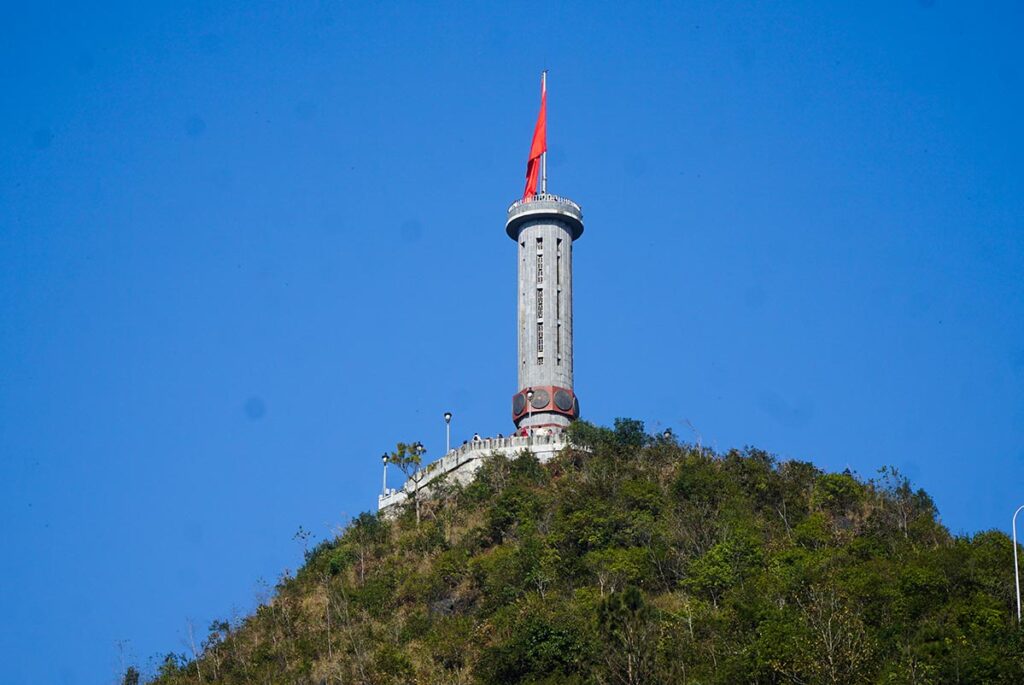
The Lung Cu Flag Tower proudly marks the northernmost point of Vietnam, perched atop a majestic mountain. Once at the flag tower, you’ll be treated to breathtaking vistas showing you the Vietnamese countryside and the majestic mountains that stretch into neighboring China.
13. Explore the ancient Hmong King Palace
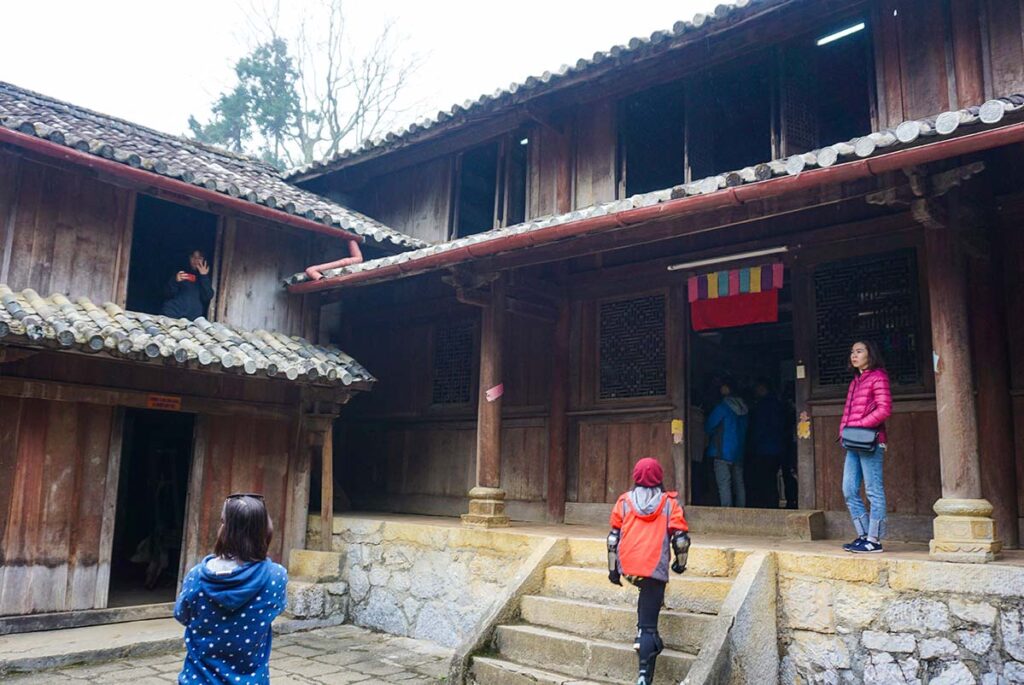
The Hmong King Palace, also known as Vuong Palace, is a historical gem in Ha Giang. Built in the early 20th century, it served as the residence of the Hmong king and stands as a remarkable testament to the region’s fascinating past and cultural heritage.
14. Enjoy the most stunning viewpoints
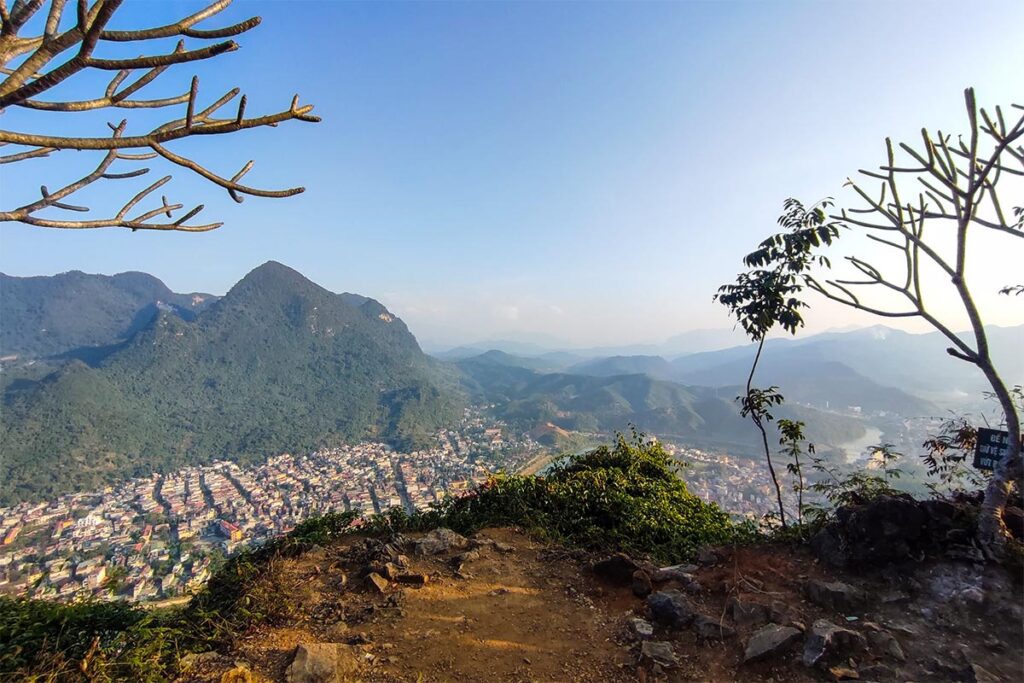
Driving through Ha Giang province is a feast for the eyes, as one stunning view follows another. Every few hundred meters, you’ll find yourself compelled to stop and enjoy the breathtaking scenery, often reaching for your camera to capture the view. While many of these views are accessible right from the road, Ha Giang also has some truly amazing viewpoints that are worth a visit.
15. Discover Lung Khuy Cave
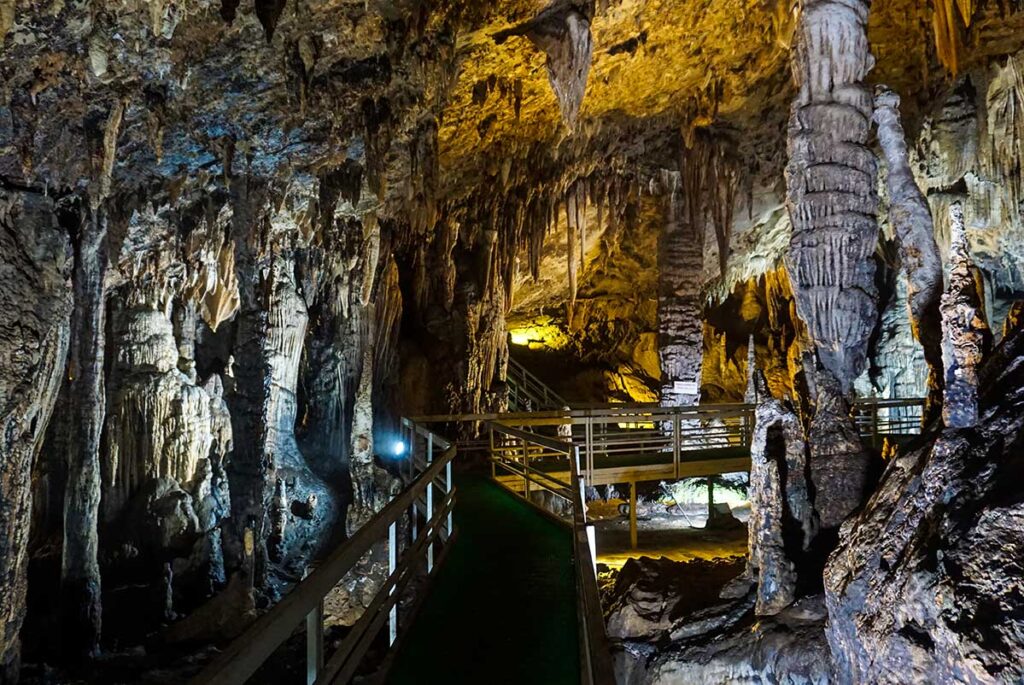
Venture up the mountains along a picturesque route to reach Lung Khuy Cave, where the journey alone is a rewarding experience. Even if you’re not fond of caves, the drive itself is a delight. Inside the cave, you’ll see beautiful formations of stalactites and stalagmites.
16. Drink coffee on top of Quan Ba Pass
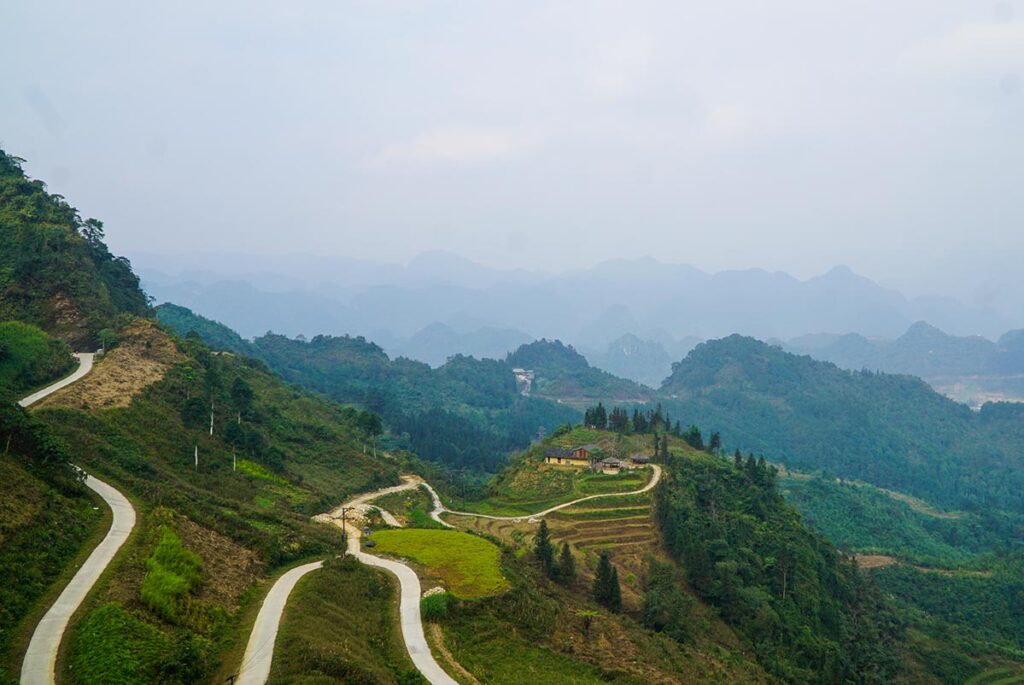
As you begin your journey on the loop from Ha Giang City, one of the first stops is the Quan Ba Pass, also known as Heavens Gate. Atop this pass lies a charming coffee shop, offering the perfect spot to indulge in a cup of coffee or hot chocolate while enjoying the breathtaking view.
16. Walk the stairs to see the Twin Mountains
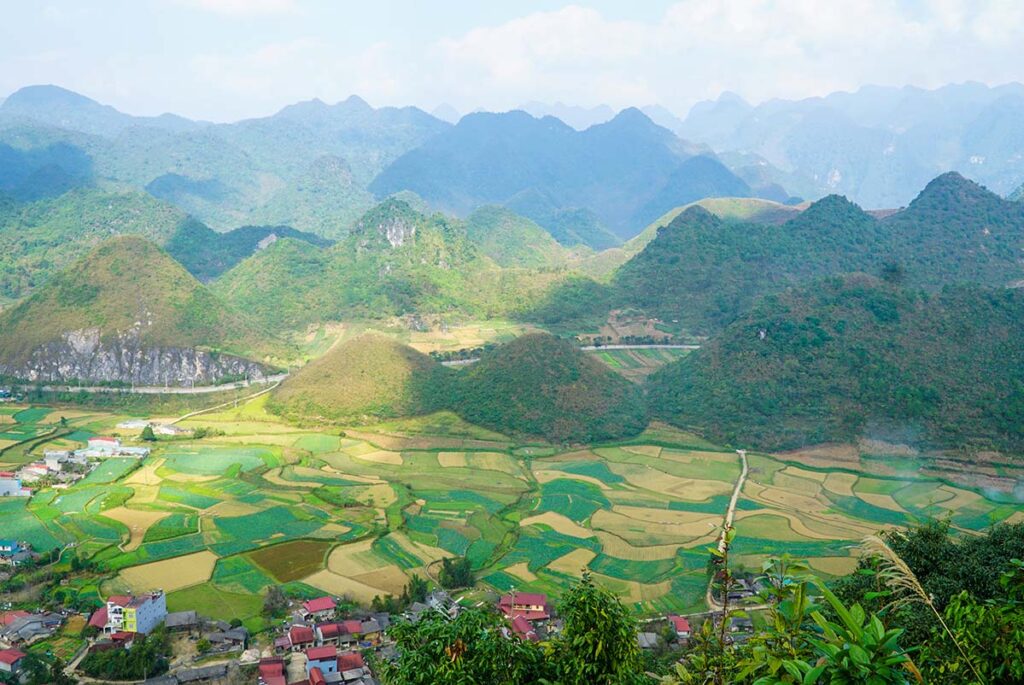
As you descend the Quan Ba Pass, you’ll encounter a midway parking area with stairs guiding you to a viewpoint showcasing the Twin Mountains, also referred to as the Fairy Breast Mountains. These two round-shaped mountains stand side by side, almost identical in appearance.
17. Explore the terraced rice fields of Mau Due
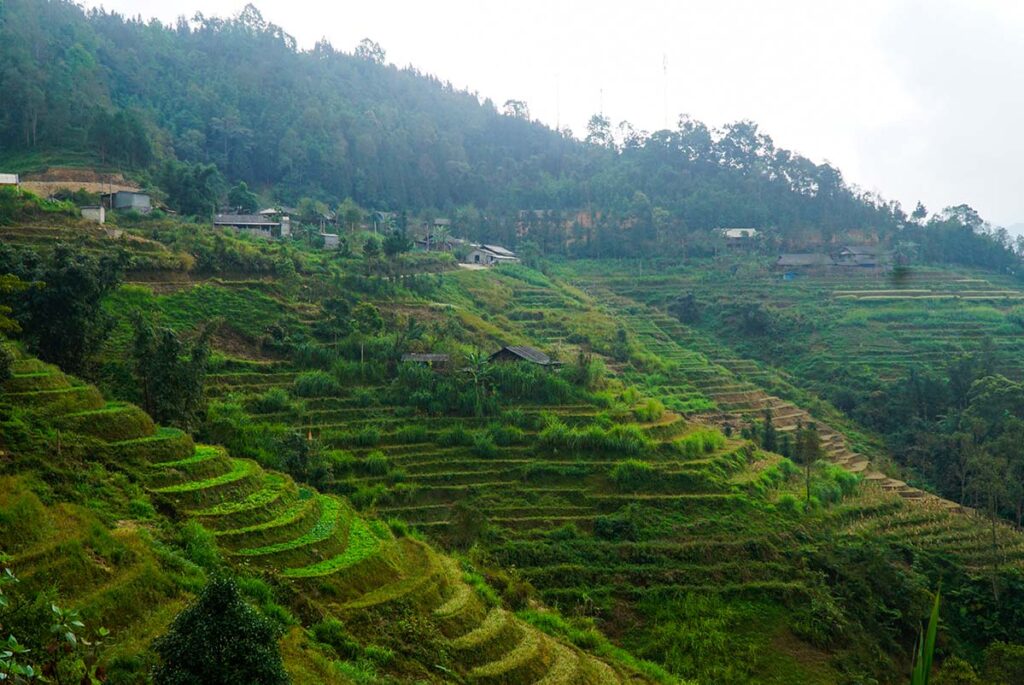
The terraced rice fields of Mau Due are undeniably beautiful, even though they may not rival the splendor of the earlier mentioned Hoang Su Phi. Nonetheless, Mau Due presents an excellent option for those on the Ha Giang Loop who wish to witness the captivating beauty of terraced rice fields without going on an extensive off-the-beaten-track adventure. It offers a convenient and accessible glimpse into the picturesque landscapes that make Ha Giang so mesmerizing.
18. Stop on top of Tham Ma Pass
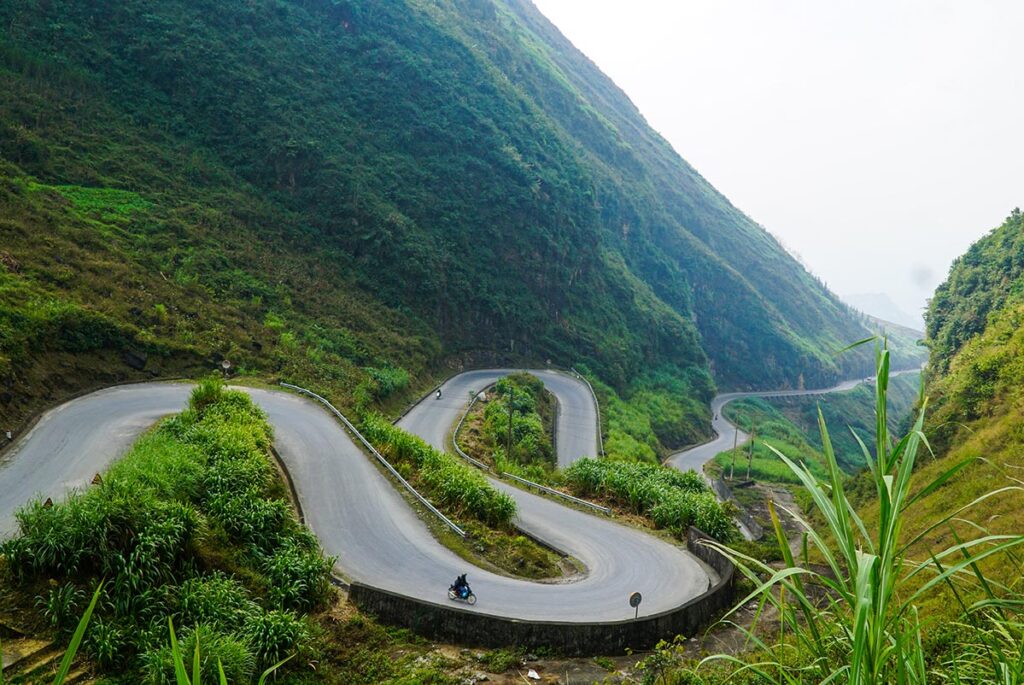
At the summit of Tham Ma Pass, you’ll be greeted by the iconic s-shaped road, a sight often featured on Facebook and advertisements promoting the Ha Giang Loop. Take a moment to appreciate the view from this vantage point. As you soak in the breathtaking scenery, you’ll likely be surrounded by cheerful ethnic minority children.
19. Explore Sung La Valley
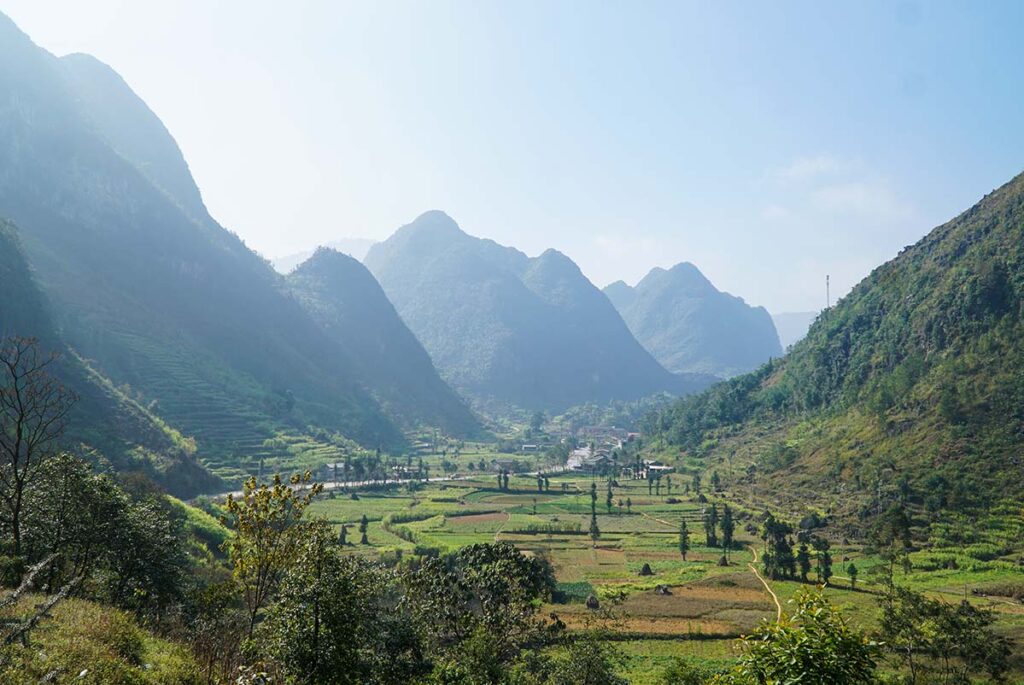
Sung La Valley is an beautiful destination accessible by conquering the Chin Khoanh Pass. This valley gains fame for its mesmerizing pink and white flower fields, which bloom during the season. Moreover, the valley is home to ancient Hmong ethnic houses, including the renowned Pao’s House, well known among Vietnamese travelers as it served as a prominent location in a famous Vietnamese movie.
20. Enjoy the view at Lung Ho
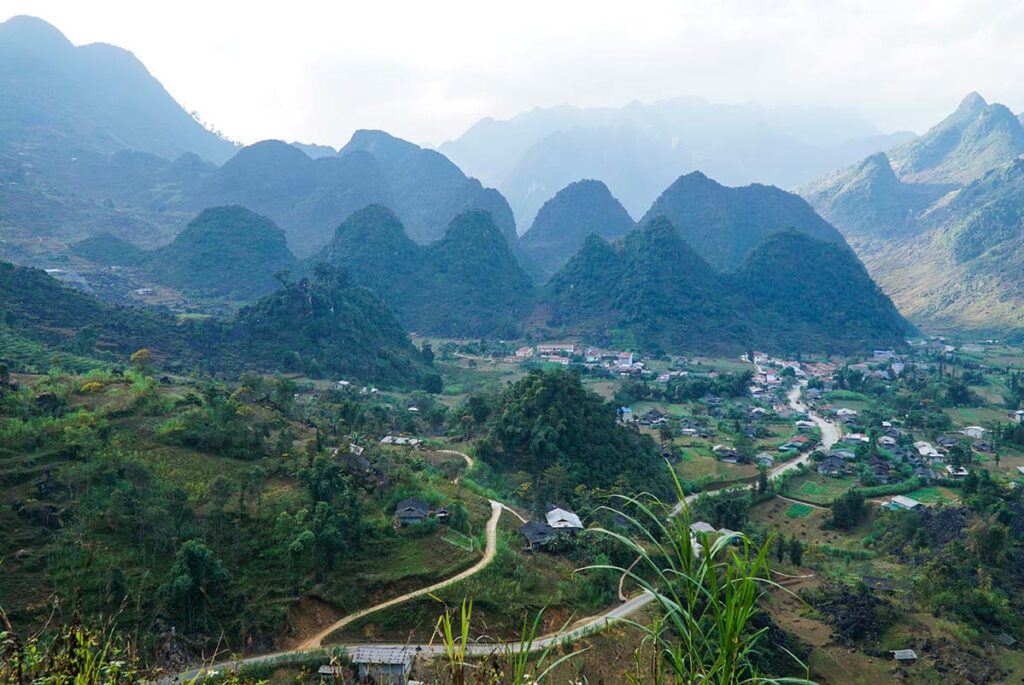
Following Mau Due, a pass leads you to Lung Ho, where you’ll be treated to stunning vistas of cone-shaped mountains. These unique mountain formations are characteristic of karst landscapes found only in Vietnam and China. At Lung Ho, halfway up the pass, a coffee shop is there if you want to watch the view while enjoying a refreshing drink.
Accommodations
Type of accommodations
- Homestays: Provide the most authentic experience, but expect limited comfort and potential coldness during winter months.
- Hotels: Offer more comfort with private bathrooms, sometimes with air conditioning, and warmth in winter, but lack the immersive local experience.
- Lodges & Retreats: Offer a great blend of local experience with added comfort, though pricier than homestays and hotels.
Where to stay
- Ha Giang City: The starting point of the loop with a range of accommodation options catering to various budgets, but you can also begin the loop directly without an overnight stay here.
- Yen Minh: Ideal for an overnight stay if you began late from Ha Giang or prefer a leisurely pace and doing the loop longer than 3 days.
- Dong Van: A popular stop on the loop with abundant accommodations in and around Dong Van town, offering a great base for exploring the area.
- Lung Cu: An alternative option to stay, providing an authentic and off-the-beaten-path experience despite its distance from other attractions.
- Meo Vac: Although the town itself has limited attractions, it offers convenience with plenty of accommodation choices in and around the area.
- Du Gia: A perfect overnight spot for a 4 to 5-day Ha Giang Loop journey, featuring delightful Tay stilt houses as homestays amidst picturesque rice fields.
- Hoang Su Phi: An excellent destination to explore the breathtaking terraced rice fields. Opting to stay in the tranquil countryside rather than the main town ensures an immersive encounter with the natural beauty of the region.
Restaurants & local food
- Family Dinner: Staying in a homestay provides the unique opportunity to partake in a family dinner, where you’ll relish local dishes alongside the hosts and other guests, immersing yourself in authentic culinary traditions.
- Local Restaurants: Ha Giang boasts numerous local restaurants catering to the local community. You can have great and very cheap food here, however there is no English menu of English speaking staff, so make sure to learn a few Vietnamese words to read the signs outside the restaurant to understand what kind of food they serve.
- Tourist Restaurants: Main towns like Ha Giang and Dong Van offer eateries tailored to travelers with English menus, while still offering affordable and authentic local dishes. Interestingly, some restaurants in these towns even provide Western fare, including pizzas, pasta and hamburgers.
Tips for visiting Ha Giang
1. What to bring
The weather in Ha Giang can be unpredictable, especially in the mountains. Bring layers and waterproof gear, as rain or fog may occur.
2. Combing Ha Giang with the Ban Gioc Waterfall
You can combine Ha Giang with the neibourigh province Cao Bang, which also has stunning scenery and famous for the Ban Gioc Waterfall, Vietnam’s most stunning waterfall.
3. Drive safely
If you choose to ride a motorbike, wear a helmet and drive cautiously. The mountainous roads can be challenging, especially during adverse weather conditions.
4. Respect the local culture
When visiting ethnic minority villages, observe their traditions and customs, ask for permission before taking photos of people, don’t throw your waste and don’t walk through their rice fields.
5. Consider a local guide
Hiring a local guide enhances your experience, as they provide valuable insights, navigate challenging terrains, and facilitate communication with ethnic communities.
6. Stay Hydrated
Ha Giang’s high altitudes and outdoor activities demand proper hydration. Bring a reusable water bottle and refill it at homestays or local shops.